Discover Belluno, gateway to the UNESCO Dolomites: history, nature and culture near the Winter Olympics Milano Cortina 2026
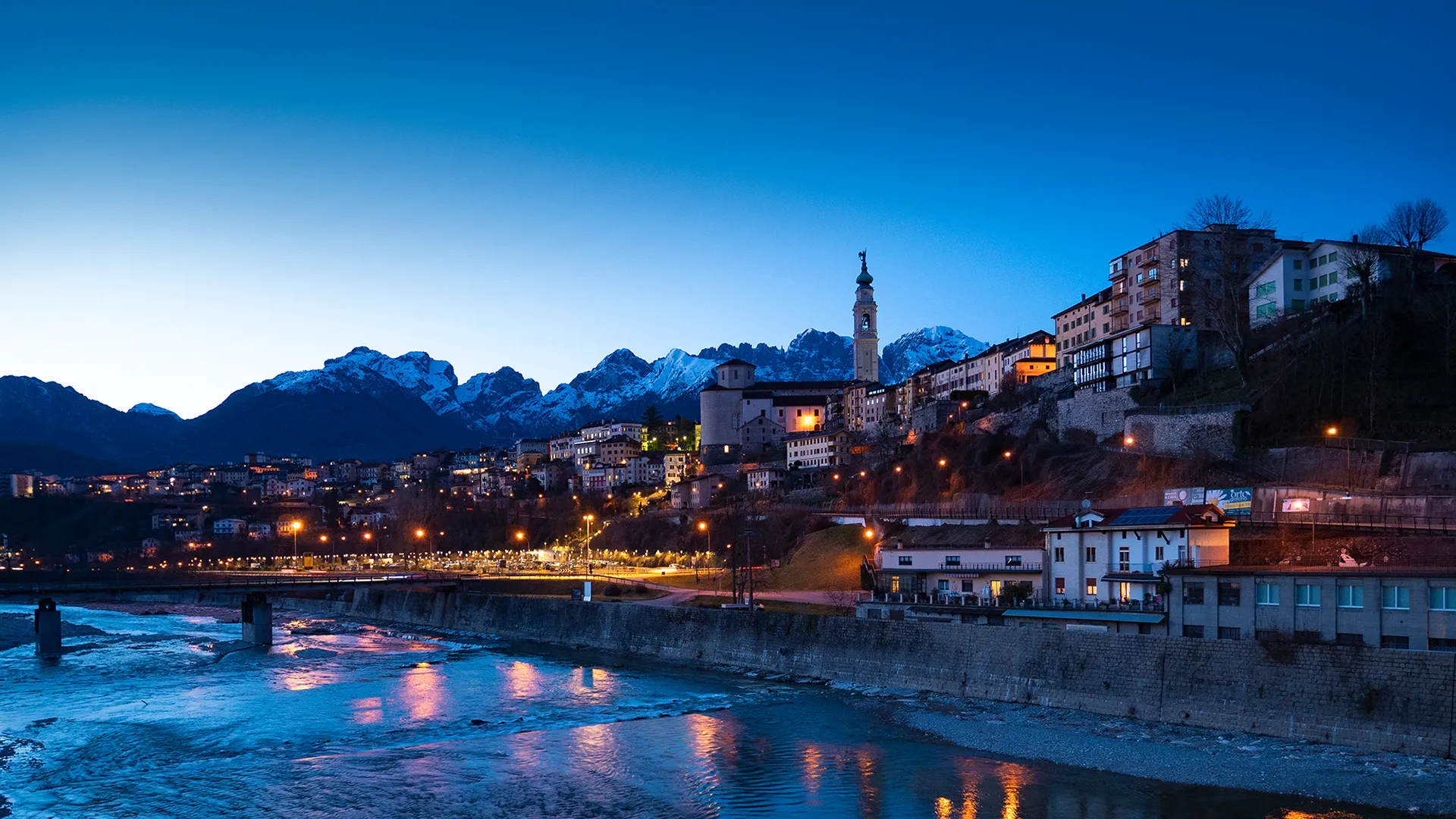
Belluno, known as the Shining City, enjoys a strategic location as the gateway to the Dolomites, a UNESCO World Heritage Site, and as a key link between the Alpine region and the Venetian plain. Elegant and welcoming, Belluno offers a perfect balance of history, nature and quality of life.
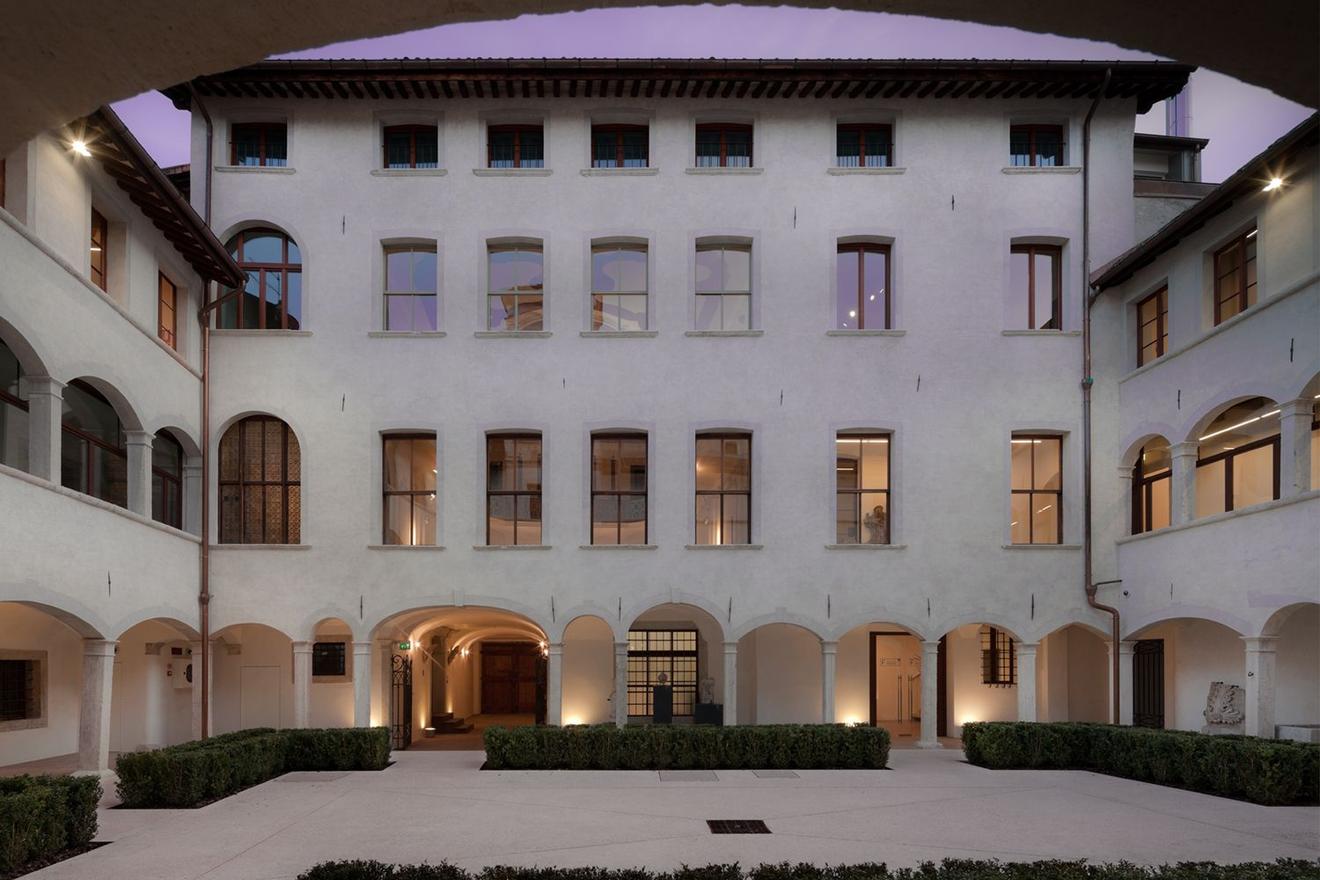
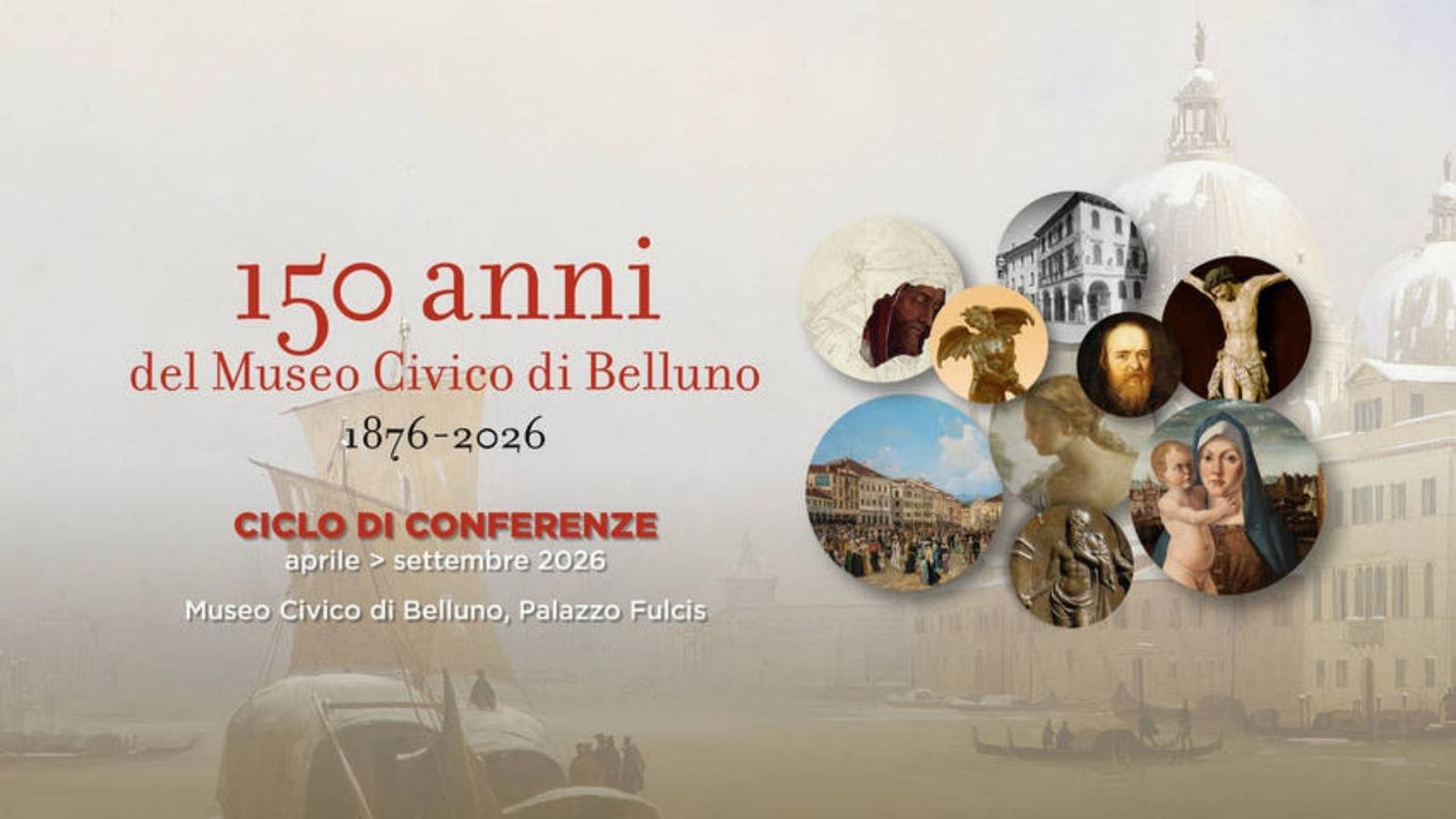
The historic centre, bordered by the Piave River and the Ardo stream, features early 20th-century architecture, charming squares, historic fountains and cultural landmarks such as the Civic Museum at Palazzo Fulcis. Belluno is a walkable, human-scale city, surrounded by the Pre-Alps, Monte Serva, the Schiara mountain group and a rural landscape rich in small villages and scenic beauty.
Belluno is also the only Italian provincial capital whose municipal territory includes a National Park: the Belluno Dolomites National Park. This unique feature makes the city an ideal base for outdoor activities, hiking and sustainable tourism.
Writer Dino Buzzati, a native of Belluno, described the city as a place where Venetian elegance meets the mysterious spirit of the northern mountains, blending harmony, legends and alpine solitude.
The origins of Belluno date back to the 5th century BC, with Venetian and Celtic settlements. The city’s name likely derives from the Celtic Belodonum, meaning “shining height”. Allied with Rome and later a Roman municipality, Belluno experienced centuries of different dominations, including a long period under the Republic of Venice (1404–1797), which deeply shaped its cultural identity. The city became part of the Kingdom of Italy in 1866.
Today, thanks to its proximity to Winter Olympic Milano-Cortina 2026 venues, Belluno is gaining renewed international visibility and stands out as an ideal destination for travellers seeking culture, alpine nature and authentic experiences in the heart of the Dolomites